
 (312) 224-8620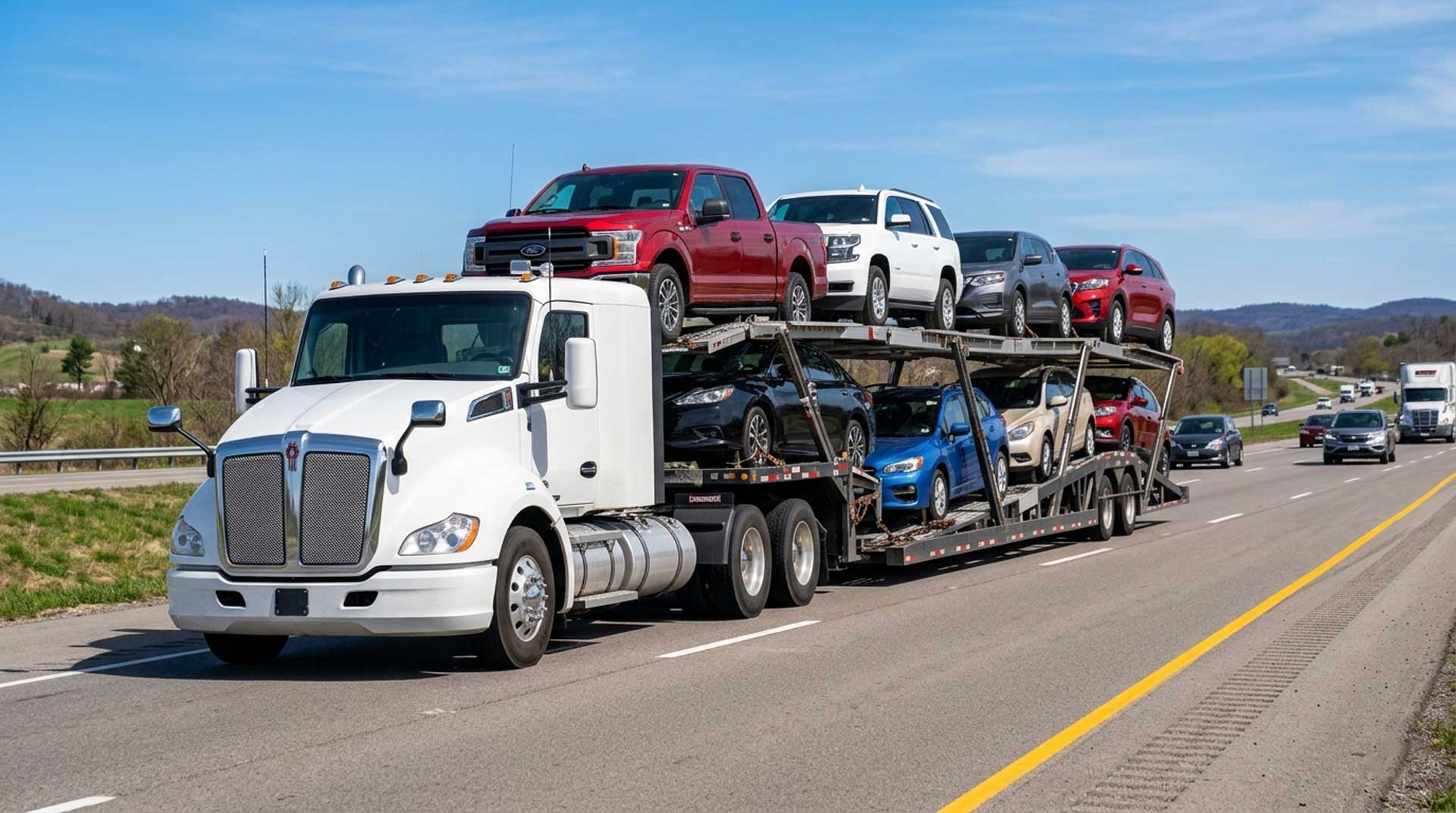
It's spring 2026, and car shipping demand is already climbing toward its peak window. If you've gotten an estimate recently and watched the number shift, that's not a coincidence — it's the market moving. A car shipping calculator is still one of the fastest ways to understand your route, compare options, and plan your budget, but an instant number is not the same thing as a final booked price. That gap is where many customers get confused. One company shows a low estimate, another sends a higher quote, and suddenly it feels like car shipping cost is impossible to predict. In reality, it is not random. It comes down to how pricing works, what details affect the route, and whether you are comparing open and enclosed service the right way. This guide explains what a car shipping cost calculator can estimate, why your price may shift before dispatch, and how to compare auto transport quotes without falling into the usual traps. You will also see when open car transport makes the most sense, when enclosed car transport is worth paying for, and how to use TCI Logistics tools and service pages to move from estimate to booking with fewer surprises. A good car shipping calculator does not guess blindly. It builds an estimate using route distance, pickup and delivery ZIP codes, vehicle size, transport type, and timing. That is why a serious calculator is far more useful than looking up a generic national average. If you only search for average pricing, you end up with a number that is too broad to help with a real decision. A route from Miami to Chicago does not behave like a route from Los Angeles to Dallas, even if the mileage looks similar on paper. The biggest misunderstanding in car shipping starts here. An estimate is a planning number. A quote is a provider’s stated offer based on the details you entered. The final dispatch price is the number that lines up with real carrier availability, the service level you selected, and the exact market conditions when the load is booked. That does not mean the calculator is useless. It means the calculator is a starting point, not a legally frozen rate. This is also why it makes sense to use a provider that already explains the process clearly. TCI’s car shipping calculator is built around a simple quote flow instead of forcing users through unnecessary steps before they even understand their likely range. Some inputs matter more than others. Exact ZIP codes matter because dense metro areas and rural pickups do not price the same. Vehicle type matters because a compact sedan, a heavy SUV, and a lifted truck do not take the same trailer space. Operable status matters because a non-running car may require extra equipment or more labor. Timing matters because the market rewards flexibility and penalizes last-minute urgency. And transport type matters because open car transport and enclosed car transport operate on different cost structures. Simple rule: the more accurate your inputs, the closer your calculator estimate gets to a realistic quote. Loose route info and unrealistic pickup expectations are two of the fastest ways to create a misleading number. People often assume that if a car shipping quote changes, something dishonest must be happening. Sometimes that is true, but often the reason is simpler: carrier markets move. A route can become more expensive if capacity tightens, if weather affects schedules, if a pickup area is harder to service than expected, or if the customer needs a narrow pickup window. That is why the smartest way to interpret a quote is not to ask whether the price changed, but why it changed. Seasonal demand plays a major role in car shipping cost. Spring and summer are usually busier, and snowbird routes create their own pressure windows as well. When demand rises, more customers compete for the same available trucks. That drives up pricing, especially on popular long-distance routes. If you want better control over cost, one of the most effective strategies is to book before peak demand becomes crowded and keep your timing flexible. TCI already covers this pricing logic in its related content, including the article on car shipping cost in 2026 and the best months to book. That post works well as a supporting internal link because it expands the calendar side of the decision without duplicating this article. A customer who says, “I need pickup exactly on Thursday morning,” is not buying the same service as someone who allows a two-to-four day window. The first request limits scheduling efficiency and usually increases cost. The second gives dispatch more room to match the car with the right truck at a better rate. If your goal is to reduce car shipping cost without lowering service quality, flexibility is usually one of the cleanest levers available. A non-running vehicle, a low-clearance sports car, or a collectible vehicle all change the transport equation. The same is true if the driver cannot safely access your street with a full-size carrier and needs an alternate meeting point. These are not minor details. They are the kind of practical variables that separate a rough estimate from a solid booking price. If your vehicle needs special handling, it is better to state that early than to chase a number that was never realistic in the first place. One of the most important cost choices in car shipping is the difference between open car transport and enclosed car transport. Many shoppers focus on this decision late, after getting quotes, but it should be made early because it changes both budget and expectations. Open car transport is the standard option for most vehicles. It is more available, usually easier to schedule, and typically more affordable. For standard daily drivers, commuter vehicles, family SUVs, and most common dealership moves, open transport is often the most sensible balance between price and practicality. TCI’s open transport service page makes this point clearly and is a natural internal destination from this section. Enclosed car transport costs more because it offers more protection, lower exposure, and typically serves a narrower segment of vehicles. If you are moving a luxury car, sports car, antique vehicle, or a low-clearance build where cosmetic risk matters, the premium can be completely rational. This is especially true when a minor exterior issue would be expensive to correct or when the vehicle’s value makes standard exposure hard to justify. For readers transporting specialty vehicles, relevant internal links here include Inside Enclosed Auto Transport and Antique Car Transport. These help TCI strengthen topical relevance around higher-value segments instead of leaving the article too broad. Comparing auto transport quotes correctly means checking what is included, not just scanning for the lowest number. A cheap quote can become an expensive booking if fuel surcharges, remote-area fees, timing constraints, or vehicle condition adjustments appear later. That is why a serious customer should compare structure, not just price. Ask whether the quote reflects door-to-door service, whether it assumes the vehicle is operable, and whether the timing is flexible or fixed. If you need a deeper comparison on route logistics, TCI’s article on door-to-door vs terminal-to-terminal car shipping is a useful supporting resource and a strong contextual internal backlink from this section. The article Hidden Fees in Car Shipping Quotes should be one of the most important internal links in this post. It fits naturally here because it covers the exact issues that create distrust after a customer gets an estimate. Before booking, ask these questions clearly: This sounds obvious, but it happens often. Some customers think one company is dramatically more expensive when the real difference is that one quote is for open service and the other is for enclosed. If you are comparing apples to apples, keep transport type, vehicle condition, and timing as close as possible. Otherwise, you are not comparing quotes. You are comparing different services under the same label. Trust is one of the biggest conversion barriers in car shipping, and not without reason. Scam patterns in this industry are usually predictable: unrealistic prices, pressure to pay quickly, vague terms, or websites that look polished but do not provide enough verifiable business detail. That is why a good educational article should not only sell convenience. It should also help readers protect themselves. A very low price can be a bait number designed to secure the lead first and renegotiate later. Sometimes the problem is not fraud in the strict sense, but a pricing strategy that depends on underestimating the job until the customer is committed. This is one reason a transparent quote process matters so much. If you are getting multiple quotes, verify who you are dealing with and whether the service explanation makes sense. Clear business identity, realistic pricing logic, and transparent communication matter more than polished wording. Also confirm upfront whether you are dealing with a broker or a direct carrier — this affects who is responsible for your vehicle during transport. The FMCSA requires all interstate auto transport brokers and carriers to be registered. Before booking, ask for the company's MC and USDOT numbers and verify them at the FMCSA website. Watch for these specific patterns: Practical mindset: a trustworthy quote should feel specific, calm, and explainable. If the number only looks attractive because everything important is still vague, that is not a pricing advantage. It is a warning sign. The fastest way to get more value from a car shipping calculator is to stop treating it like a magic box and start treating it like a planning tool. Enter exact route details, be honest about vehicle condition, choose the right transport type, and think about timing before you hit submit. That alone makes the estimate more useful. This topic works because it sits right between information and action. Someone searching for a car shipping calculator is rarely looking for theory alone. They want a believable number, want to understand why that number can change, and want to know whether open car transport or enclosed car transport is the smarter decision for their vehicle and budget. If you want a faster answer based on your real route, vehicle, and timing, use the TCI car shipping calculator. You can also review the open transport service and enclosed auto transport service pages before you request your quote, so you know exactly which service fits your car and your budget. Quotes move because auto transport is a live carrier market. Seasonal demand, lane availability, pickup window constraints, and vehicle condition can all shift the price between your initial estimate and dispatch. The best way to protect your quote is to book early, keep your pickup window flexible, and confirm your vehicle details upfront. Yes, if you enter the right details. It is accurate enough for planning and comparison, but the final price still depends on real carrier availability, timing, route conditions, and service level. The most common reasons are tighter pickup timing, lane availability, seasonal demand, non-operable status, oversized vehicles, or a switch from open to enclosed shipping. For most standard vehicles, yes. Open transport is the most common option in the industry and is usually the best value when maximum protection is not required. Choose enclosed service when the vehicle is high-value, low-clearance, collectible, newly restored, or when extra protection is worth the added cost. The best ways are to book earlier, use accurate route details, keep your pickup window flexible, and choose the right transport type instead of paying for protection you do not actually need.Car Shipping Calculator: Estimate vs Final Price
What a Car Shipping Cost Calculator Can Estimate
Estimate vs quote vs final dispatch price
Which details change car shipping cost the most
Why Car Shipping Quotes Change Before Pickup
Seasonality affects auto transport quotes more than many customers expect
Pickup flexibility often matters more than customers think
Vehicle condition and service requirements change the real number
Open vs Enclosed Car Shipping Costs
When open car transport is the better value
When enclosed car transport is worth the extra money
Transport Type
Best For
Main Benefit
Main Tradeoff
Typical Price Difference
Open Car Transport
Daily drivers, standard vehicles, budget-focused moves
Lower cost and wider availability
More exposure to weather and road conditions
Baseline market rate for most standard routes
Enclosed Car Transport
Luxury, classic, exotic, low-clearance, collector vehicles
More protection and tighter handling standards
Higher price and fewer available trailers
Usually about 30–60% more than open transport, depending on route, season, and vehicle type
How to Compare Auto Transport Quotes Without Overpaying
Look at what the quote actually includes
Use hidden-fee questions before you book
Do not compare an open quote against an enclosed quote
How to Avoid Car Shipping Scams
Low quotes are not always better quotes
Verify the company before you commit
How to Use the TCI Car Shipping Calculator Better
Best workflow from estimate to booking
Ready to Price Your Route?
FAQ
Why did my car shipping quote change?
Is a car shipping calculator accurate?
Why is my final car shipping quote higher than the estimate?
Is open car transport safe?
When should I choose enclosed car transport?
What is the best way to lower car shipping cost?