
 (312) 224-8620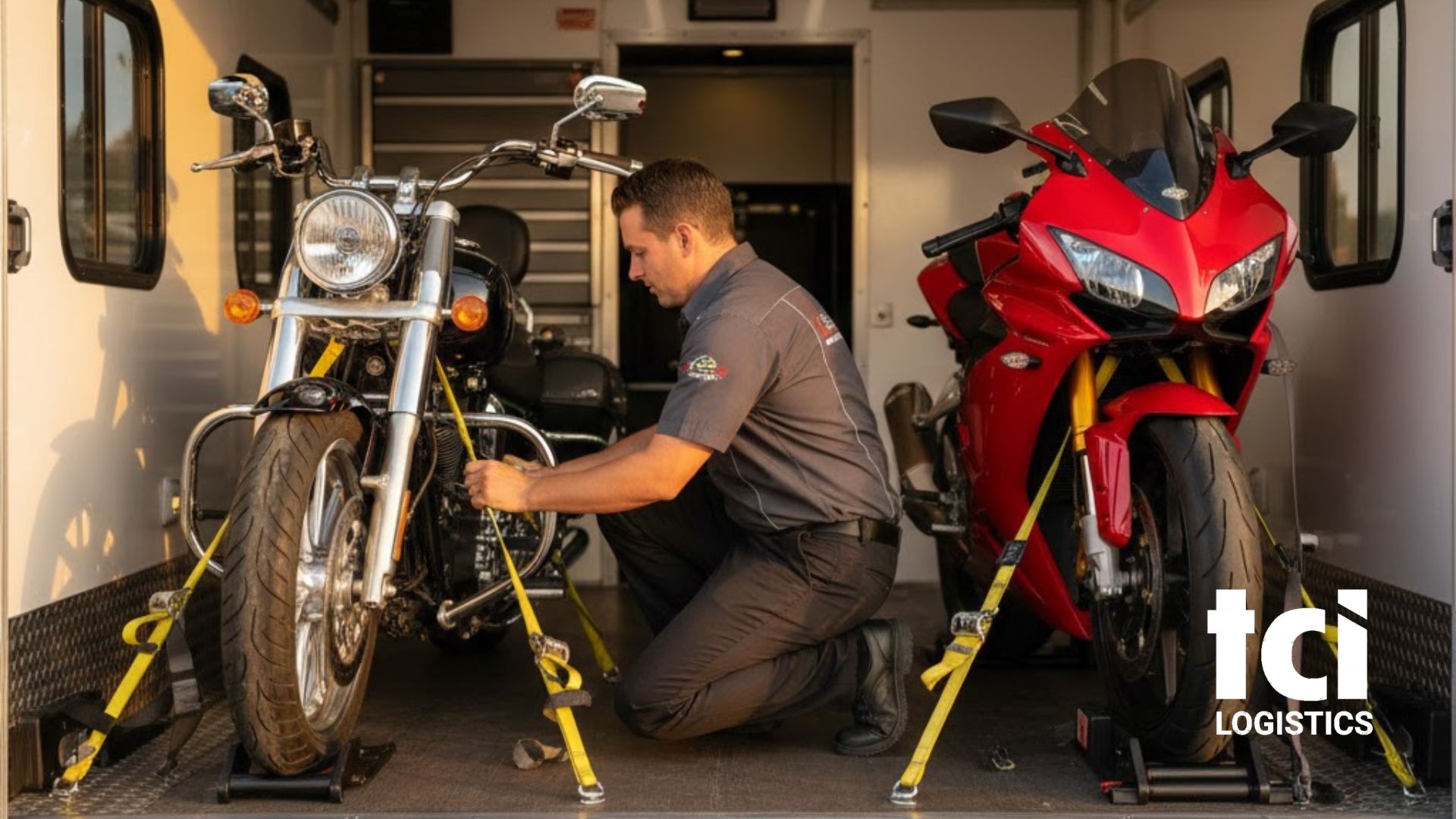
If you have shipped cars before, motorcycle shipping feels like it should be simpler. One vehicle, less weight, fewer moving parts. In practice, bikes demand more precision because they have fewer stable tie down points, more fragile surfaces, and a higher chance of cosmetic damage when the handoff is rushed. The fastest way to avoid problems is to think like an operator. Your goal is to deliver a bike that is easy to load, easy to secure, and easy to inspect in under five minutes. This guide is built for riders, collectors, dealers, and relocation moves. It covers the shipping options that actually exist in the market, the prep steps that prevent reclassifications and fees, the securement realities that protect suspension and paint, and the inspection workflow that keeps disputes short and rare. If you only read one section, read this. Most motorcycle shipping mistakes come from choosing a method that does not match the bike and the risk tolerance. The most expensive motorcycle shipment is the one that goes wrong. Spending a little more on protection is often cheaper than repainting a fairing or replacing a custom exhaust that was scuffed during a rushed strap job. People use the word motorcycle shipping as if there is one standard method. There are three common workflows. Each one has a different risk profile and a different set of rules at pickup. Open transport is the most common and usually the most economical. The bike travels on a carrier where it is exposed to road air, dust, and weather. The key advantage is availability. More carriers run open routes, so scheduling is often easier, especially on popular lanes. The tradeoff is exposure. Road grit can mark vulnerable surfaces, and bad weather increases risk. Open transport can still be safe when the operator approach is followed: correct strap points, clean inspection notes, and no loose accessories that can vibrate or flap. Enclosed transport adds a layer of physical protection from weather and debris. It is the preferred option for premium paint, collector bikes, and motorcycles with sensitive finishes. Enclosed shipments also tend to attract operators who specialize in high care loads, which often reduces risk during loading and unloading. Crating and palletizing are about control. The bike is stabilized in a fixed position, typically with wheel chocks and tie downs that prevent tip risk. This method is common for longer shipments, auction moves, or bikes that have fragile components or unusual geometry. It can also be a strong choice when you want minimal handling between origin and destination. Crated and palletized shipments require one more step: your bike must be ready to be secured in the crate or to the pallet. That means the prep details matter more, not less. Carriers are not trying to be difficult at pickup. They are protecting themselves from liability and protecting the load from obvious risk. If your motorcycle fails a basic safety check, the carrier may refuse it, delay it, or mark it as a special handling unit. Most motorcycle shipments assume the bike can be rolled and positioned safely. If the bike will not start, that is not always a deal breaker, but it must be disclosed. A bike that cannot be moved normally needs different handling. For some operators, that means they skip it because it slows down a multi stop route. Fluid leaks are a high risk problem. A small oil leak can become a slip hazard on a deck surface. A fuel seep near a hot trailer is unacceptable. If you want smooth acceptance, fix active leaks before scheduling, not the day before. Many shipping issues start with an accessory, not the bike. Saddlebags, detachable luggage, windscreens, phone mounts, and loose fairing fasteners can all vibrate and create damage. If a part can move, it will move over a thousand miles. The bike should be clean enough that the VIN is readable and the inspector can note existing marks quickly. If the surface is covered in heavy grime, it is harder to document condition, and that increases dispute risk for everyone. This is the core of the guide. A motorcycle prepared like cargo ships like cargo. A motorcycle prepared like a weekend ride creates surprises. Wash the bike so the paint, tank, side panels, and fairings can be inspected quickly. You do not need showroom perfection. You need clarity. The goal is to make existing marks obvious so they can be documented cleanly on the condition report. Do not lock the steering. If the bike shifts during transit, a locked steering column can snap the locking pin or stress the frame. Leave the steering unlocked so the wheel can settle into the chock naturally as straps are tensioned and as the trailer moves. Handling risk comes from instability. The bike should roll smoothly, brakes should not drag, and tires should be properly inflated. If the bike is a heavy touring model, confirm the operator has the right ramp angle and tie down gear. Take photos that end disputes fast. Focus on wide coverage, not artistic angles. Use good light. Capture the areas most likely to be touched during loading. Motorcycles are simpler than cars in one way: less fuel and less weight. But the standards still matter. This is where careful riders separate from casual shippers. Keep fuel low. A common operational standard is no more than one quarter tank. It reduces risk and keeps the bike light and stable. The bike should still have enough fuel to start and move during loading and unloading, but there is no benefit to shipping a full tank. A weak battery causes a chain reaction. The bike does not start, the operator improvises, the schedule slips, and the unit becomes a problem stop. If the battery is borderline, replace it before shipping or provide a clear instruction plan approved by the carrier. If your bike has a proximity alarm, common on many modern Harley-Davidson and BMW models, put it into transport mode before pickup. If you do not, the alarm can flash lights and chirp on bumps, draining the battery over a long route and turning a clean delivery into a dead battery situation. Fix leaks before pickup. Wipe down the underside and verify there is no fresh fluid. If a leak is visible at pickup, the operator may refuse the bike or require special handling that adds cost. If your bike has an alarm or immobilizer, disable it if you can, or provide a simple instruction note. A siren triggered inside a trailer is not a minor inconvenience. It creates handling delays and increases the chance of rushed mistakes. Most riders worry about theft and weather. Operators worry about movement. Movement is what causes damage. A correct securement setup prevents tip risk and keeps straps off fragile surfaces. Professional carriers typically prefer the side stand. It creates a stable tripod with the tires. Center stands can be brittle, and under vibration they can walk across a metal deck or load surface, which increases risk. The securement system should be doing the real work, but the side stand is the safer baseline in most real-world setups. Custom bikes and low clearance builds need a different loading angle. The risk is not only scraping. It is also strap placement around custom parts. If the bike has an oversized fairing, extended bags, or a custom exhaust, disclose it early so the operator can plan the loading approach. Pickup day should be calm. When it is chaotic, mistakes happen. Use this playbook to control the handoff. Many pickups fail because the location is wrong. A driver can move faster and safer when the pickup point has room to align the ramp. If your address is tight, suggest a nearby wide lot or safe commercial area. This is not about convenience. It is about preventing a rushed load under traffic pressure, which protects the driver and the bike. Delivery day is where good shippers win or lose their protection. You have a short window to verify condition and note issues correctly. Claims succeed when documentation is clear and immediate. Arguments do not help. Photos, notes, and the right paperwork timing do. Motorcycle shipping cost is driven by the same forces as car shipping: lane demand, seasonality, pickup access, and urgency. Bikes can be cheaper than cars, but the market still prices what is hard. Expedited service exists, but it is not magic. It works by paying for priority placement. If your deadline is fixed, expedited can be the right tool. If your deadline is flexible, widen your pickup window first. Flexibility often saves more than any negotiation. Most bikes ship smoothly when they are standard and operable. The edge cases are where you either plan ahead or pay later. If the bike does not start or cannot be rolled safely, disclose it upfront. Non running units may require winch handling or forklift support depending on equipment. Many carriers avoid them because they slow a multi stop route. Planning early and choosing the right operator is the difference between a smooth move and a week of delays. Electric motorcycles ship well when they are treated like high value equipment. Keep the battery at a stable level that supports loading moves, and ensure the bike can be powered on and rolled as needed. Remove charging adapters and loose electronics from storage compartments unless the shipping plan explicitly allows them. For a custom or vintage bike, the biggest risk is cosmetic. Enclosed or crated transport is often the right play because it reduces exposure and reduces handling frequency. If the bike has rare parts, document them clearly at pickup and avoid shipping detachable accessories on the bike unless they are secured as cargo. Most riders do not need a speech about logistics. They need a clean outcome. At TCI, we do not match you with the first truck available. We match you with operators who carry the right ramps, soft ties, and securement gear for your specific bike geometry. That is the difference between a routine load and a rushed improvisation. Start with the shipping calculator to get a baseline for your lane, protection level, and timing. Then we refine the plan once we confirm pickup access, bike type, and any special handling needs. If you already know the bike is high care, say it early. The right operator match saves time and reduces risk. For a full view of available methods, including options that pair motorcycle moves with other shipments, review our shipping services page. It helps align your route and timeline with the correct transport method. Most riders focus on the destination. Operators focus on the handoff. Control the handoff with clean prep, clear photos, and the right securement expectations, and the rest of the shipment becomes routine. Open is best for everyday bikes when cost matters, while enclosed or crated is best for high value paint, collector bikes, and harsh weather lanes. Keep it low, typically no more than one quarter tank, enough to start and roll for loading without adding unnecessary risk. No. Leave steering unlocked so the front wheel can settle into the chock. A locked steering column can damage the locking pin if the bike shifts. Ask for soft loops. Metal hooks should never touch paint or chrome. Soft loops create a safe interface between the bike and ratchet straps. Put it into transport mode before pickup. Otherwise the alarm can flash and chirp on bumps and drain the battery during transit.The Zero Damage Operators Checklist for Pickup, Strapping, and Delivery
One minute decision
Choose open transport when
Choose enclosed or crated when
Motorcycle shipping options, open, enclosed, crated
Open motorcycle transport
Enclosed motorcycle transport
Crated or palletized motorcycle shipping
What carriers check at pickup, and why bikes get flagged
Operability and safe movement
Leaks and wet surfaces
Loose parts and accessories
Pre shipment prep that prevents damage
Step 1 Clean for inspection, not for photos
Step 2 Secure or remove vulnerable add ons
Step 3 Do not lock the steering
Step 4 Reduce handling risk
Step 5 Build a proof photo set
Minimum photo set
Fuel, battery, and leak standards
Fuel level
Battery health
Transport mode for proximity alarms
No active leaks
How motorcycles are secured on trucks
Common securement methods
Side stand versus center stand
What you should not accept at pickup
Low clearance and custom bikes
Pickup day playbook
The Zero-Damage Pickup Script
Meet the driver at the right place
What to ask before the bike is fully secured
Delivery inspection and claims steps
Inspection that takes five minutes and prevents headaches
If something is wrong, do this in order
Cost and timing in 2026
What moves price the most
Timing rules that reduce stress
Expedited shipping
Special cases, electric, non running, custom
Non running motorcycles
Electric motorcycles
Custom, vintage, and show bikes
How TCI supports motorcycle shipping
Fast pricing without guesswork
Where to confirm service coverage
Final operator tip
FAQ
Should I ship a motorcycle open or enclosed
How much fuel should be in a motorcycle for shipping
Should the steering be locked during motorcycle transport
What tie downs should carriers use on my bike
What if my bike has a proximity alarm like Harley-Davidson or BMW