
 (312) 224-8620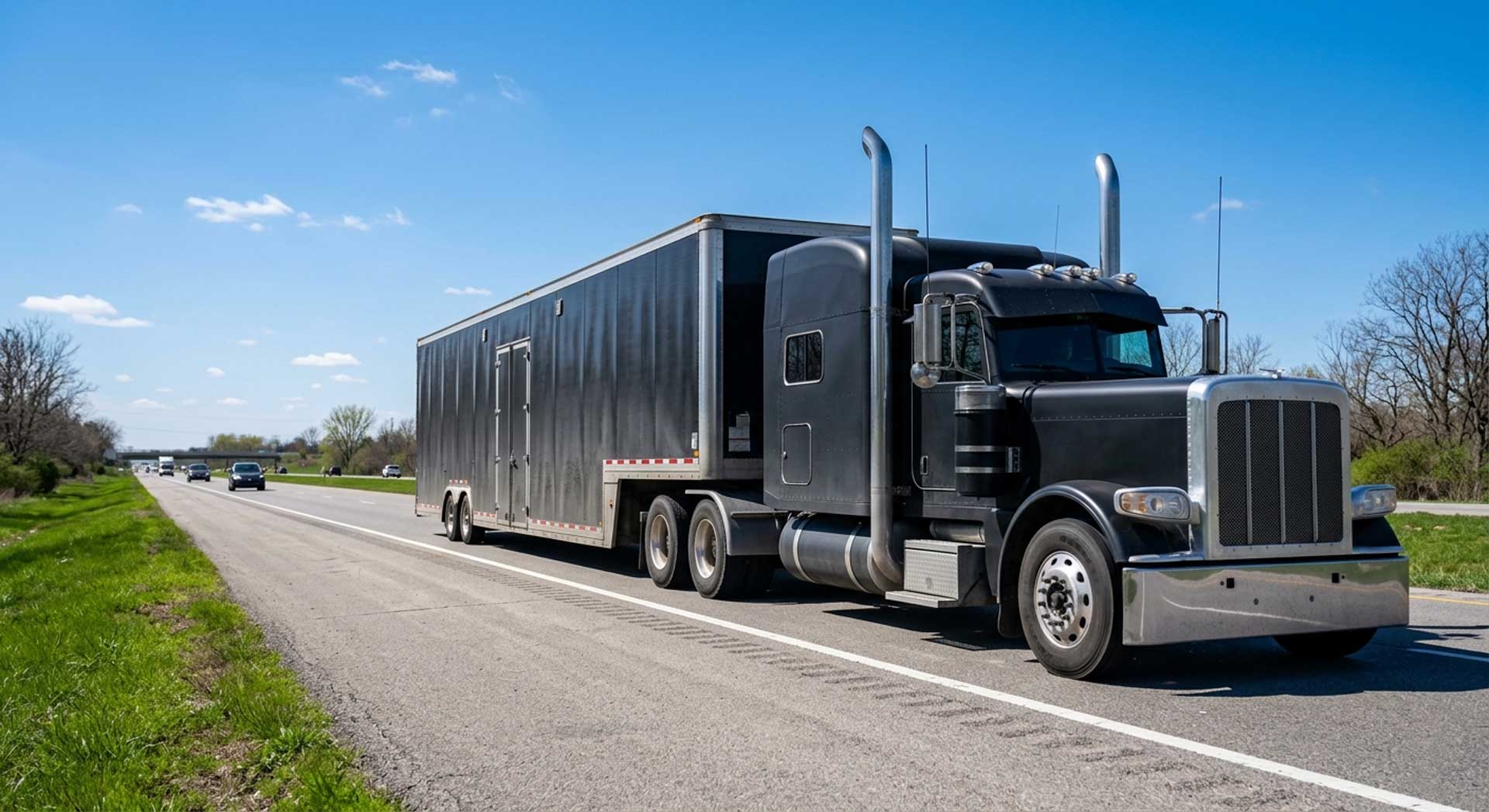
It is spring 2026, and more customers are getting quotes before the busiest car shipping months begin. That makes one question more important than usual: should you choose open vs enclosed car shipping? The answer affects more than price. It shapes pickup timing, carrier availability, route flexibility, and the level of protection your vehicle receives in transit. For many vehicles, open transport is the right move. For others, paying more for enclosed auto transport is not a luxury upgrade but a practical decision. Demand typically peaks between May and August — which means quotes for both open and enclosed service start moving in spring. If you are getting quotes right now, the decision you make in the next few weeks can affect both price and availability. This guide explains the real difference between open car shipping and enclosed car shipping, how the cost gap works, which service fits different vehicle types, and how to use TCI Logistics resources to make the decision with more confidence. If you want a faster estimate for your exact route, you can also pair this article with the TCI car shipping calculator to price your lane after you finish reading. The basic difference is simple. Open car transport moves your vehicle on an exposed trailer, usually alongside several other vehicles. Enclosed car transport moves it inside a covered trailer, protected from direct exposure to weather, road debris, and outside visibility. On the surface, that sounds like an easy quality hierarchy, but the better question is not which one is better in theory. It is which one is better for your vehicle, your route, and your risk tolerance. Open auto transport is the standard option for most vehicles shipped in the United States. It is more common, usually faster to schedule, and often the best value for everyday cars, family SUVs, leased vehicles, and dealership inventory. Because more open carriers operate on more lanes, customers often get better flexibility and lower pricing. That is why TCI’s open transport service is the natural fit for the majority of standard shipments. Enclosed auto transport offers a different level of handling and protection. The vehicle is not sitting exposed on an open deck, which reduces direct contact with weather and road grit and adds privacy during transit. That matters most when the car has unusually high value, highly sensitive paint, low clearance, or collector importance. TCI’s enclosed auto transport service exists for those jobs where protection matters enough to justify the premium. When shoppers compare open vs enclosed car shipping cost, the first thing they notice is the premium. In many cases, enclosed car shipping costs roughly 30 to 60 percent more than open transport. That gap can be smaller on some lanes and larger on others, but the point is consistent: enclosed service is not just a cosmetic upgrade. It is a narrower transport market with different equipment, different availability, and different customer expectations. There are three main reasons. First, enclosed trailers usually carry fewer vehicles, so the carrier has less room to spread cost across the load. Second, enclosed carriers often handle vehicles that require more careful loading and tighter standards. Third, enclosed equipment is simply less common, so capacity is more limited. When you combine tighter supply with higher-care shipments, pricing rises naturally. This is why it helps to frame the question correctly. The choice is not “Why is enclosed more expensive?” but “What kind of vehicle am I shipping, and what am I trying to protect?” For a common commuter sedan, the premium may not add enough practical value. For a freshly restored classic car, it may be the cheaper decision compared with the cost of even a minor cosmetic repair. Not every route behaves the same way. High-volume lanes give both open car shipping and enclosed car transport more options. Remote origins, harder delivery points, and narrower pickup windows can widen the difference. Seasonal demand also matters. In busier periods, enclosed availability can tighten faster than open, which is one reason spring and early summer shoppers often see more movement in premium shipping quotes. If you want more pricing background before choosing, TCI’s related content on car shipping cost in 2026 and the Car Shipping Calculator Guide are strong supporting reads and natural internal links from this section. Most buyers do not really choose between open and enclosed shipping based on trailers. They choose based on how much exposure they are comfortable with. That is why the protection question matters more than the marketing language around it. For the majority of everyday vehicles, open car transport is entirely appropriate. Standard vehicles are moved this way every day across the country, and for routine shipments it remains the default for a reason. It is efficient, widely available, and generally the best price-to-practicality option. If the vehicle is replaceable in a normal market sense and the owner is not trying to preserve a high-end finish or collector value, open shipping is often the correct business decision. Enclosed car transport becomes easier to justify when the vehicle is unusually valuable, cosmetically sensitive, or difficult to replace. A sports car with very low clearance, a collector vehicle with rare trim, or a luxury car prepared for resale or auction can all fall into this category. The point is not that open transport is unsafe. The point is that the consequences of small issues are much more expensive on certain vehicles. Useful rule: if a minor scratch, chip, or cosmetic issue would be expensive enough to frustrate you immediately, enclosed transport deserves serious consideration. That is also why TCI’s article on the best way to ship a sports car safely works as an excellent supporting internal link here. It extends the logic for high-value vehicles without turning this article into a niche-only guide. One of the biggest reasons customers choose open auto transport is not cost. It is timing. Open carriers are more common, which means there is often more scheduling flexibility and a better chance of securing pickup within a practical window. If time matters and the vehicle does not need premium protection, open transport often wins on logistics alone. The open market is simply bigger. More carriers, more trailer space, and more frequent route coverage mean open transport usually adapts better to ordinary customer timing. This matters even more when the pickup location is not sitting on one of the heaviest national lanes. More equipment means more chances to match the job quickly. Enclosed car shipping usually needs earlier planning, especially when the customer wants a narrower pickup window or is shipping during a busy seasonal period. If you wait until the last moment, your price may rise and your timing options may narrow. That does not make enclosed shipping inconvenient by default. It simply means it rewards earlier booking more strongly than open shipping does. For readers who care most about timing, TCI’s car shipping delivery timelines article is a strong internal link here because it gives extra context on pickup and delivery expectations beyond the open-versus-enclosed comparison. The easiest way to overcomplicate this decision is to treat enclosed shipping like a prestige badge. It is not. It is a tool, and it makes sense in specific cases. If the car has collector value, rare parts, premium finish, or a restoration that would be painful to expose to normal transit conditions, enclosed car transport is usually the right recommendation. This also applies to many antique and classic vehicles where even small cosmetic issues can affect resale value or require specialist correction. Very low vehicles often benefit from the tighter handling mindset that usually comes with enclosed service. That does not mean open transport cannot handle them, but it does mean the decision should not be based on price alone. If you are already worried about approach angle, front lip clearance, or finish protection, the premium may be justified before the truck even arrives. If the vehicle is a routine daily driver, if your goal is simply efficient relocation, and if normal exposure does not meaningfully change the vehicle’s value to you, then open car shipping is still the smarter decision in most cases. Paying more only makes sense when the additional protection solves a real problem. The cleanest decision framework is to ask four questions. What kind of vehicle is it? How sensitive is the finish or value? How fast do you need pickup? And how much does the price gap matter relative to the risk you are trying to reduce? That approach keeps the decision practical. A car shipping calculator is most useful after you understand which service actually fits the job. Too many shoppers use a calculator first, then become frustrated when an open-style budget does not align with an enclosed-style expectation. The right workflow is simpler: If you want broader background before booking, TCI’s existing open vs enclosed guide and general car shipping guide are both good internal backlinks to support topical coverage around this article. Whichever service you choose, verify the company before you commit. Ask for the MC and USDOT number and confirm registration at the FMCSA website. This applies to both brokers and direct carriers. If you already know your vehicle type and want to compare real numbers, use the TCI car shipping calculator. You can also review the open transport and enclosed auto transport service pages first, so your quote matches the level of protection your vehicle actually needs. Open car shipping moves vehicles on an exposed trailer, while enclosed car shipping moves them inside a covered trailer. The main differences are cost, carrier availability, timing flexibility, and protection level. In many cases, enclosed car shipping costs about 30 to 60 percent more than open transport, although the exact difference depends on route, season, vehicle type, and pickup timing. Yes. Open car transport is the standard option used for most everyday vehicles and is usually the best value when premium protection is not necessary. Choose enclosed auto transport when the vehicle is luxury, exotic, antique, collectible, freshly restored, low-clearance, or when extra protection matters enough to justify the premium. Usually yes. Open carriers are more common, so open transport often offers better scheduling flexibility and easier pickup windows than enclosed transport. It depends on the vehicle. For luxury, classic, exotic, or low-clearance cars where cosmetic damage would be costly, enclosed shipping is often worth the premium. For standard daily drivers where routine exposure does not meaningfully affect value, open transport is usually the smarter choice.Open vs Enclosed Car Shipping: How to Choose
Open vs Enclosed Car Shipping at a Glance
What open car shipping means in practice
What enclosed car shipping changes
Factor
Open Car Shipping
Enclosed Car Shipping
Typical use case
Daily drivers, standard vehicles, dealership stock, budget-focused moves
Luxury, classic, antique, sports, exotic, low-clearance, show vehicles
Carrier availability
Higher
Lower
Scheduling flexibility
Usually better
Usually tighter
Protection level
Standard
Higher
Typical price difference
Baseline market rate
Often about 30–60% more than open transport
Enclosed Car Shipping Cost vs Open Transport Cost
Why enclosed auto transport costs more
How the route changes the price gap
Protection and Risk in Open vs Enclosed Auto Transport
What open car transport protects well enough
What enclosed car transport protects better
Availability and Timing for Open and Enclosed Car Shipping
Why open auto transport is usually easier to book
Why enclosed shipping needs more planning
When Enclosed Car Transport Is Worth It
Luxury, antique, and collector vehicles
Sports cars and low-clearance vehicles
When open transport is still the smarter choice
How to Decide Between Open and Enclosed Car Shipping
Use the car shipping calculator after you choose the right logic
Ready to Price Your Route?
FAQ
What is the difference between open and enclosed car shipping?
How much more does enclosed car shipping cost?
Is open car transport safe for normal vehicles?
When should I choose enclosed auto transport?
Does open transport book faster than enclosed shipping?
Is enclosed car shipping worth it?