
 (312) 224-8620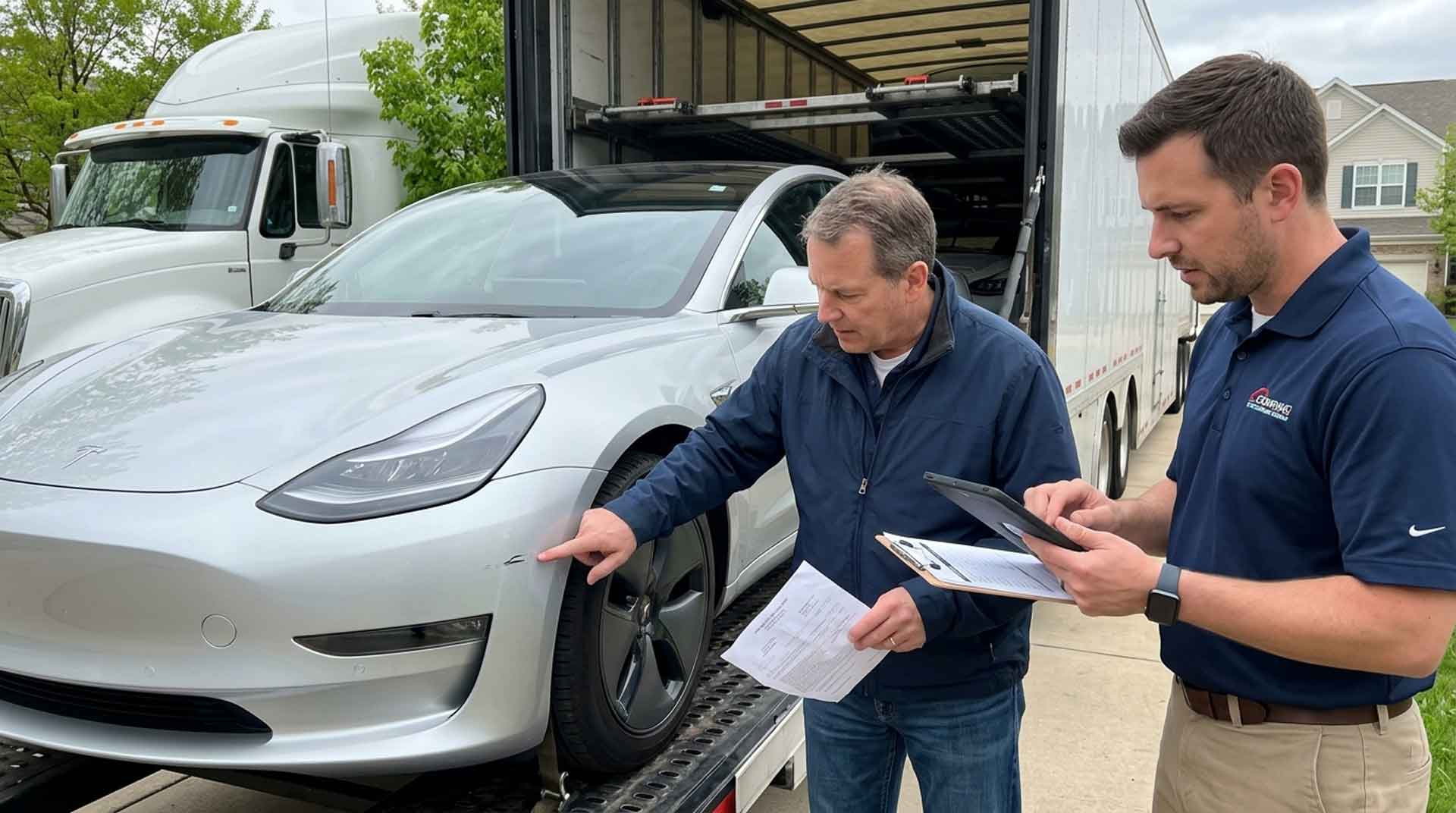
Shipping a vehicle is one of the few everyday transactions where most buyers never read the insurance certificate, and then they are surprised when a small scuff turns into a long email chain. Auto transport insurance sits at the center of every good carrier relationship. It protects the vehicle from the moment a driver signs for it, through loading, the highway, and the final unload at your door. This guide explains what the coverage actually includes in 2026, how carrier and broker policies differ, which exclusions catch drivers off guard, and exactly how to file a damage claim that gets paid. Read it before booking and you will negotiate from a position of knowledge, not hope.
What auto transport insurance actually covers
Bottom line: standard auto transport insurance covers physical damage caused by the carrier during loading, transit, and unloading, up to the limits listed on the certificate of insurance, and nothing more. It is not the same as a collision policy on your personal car and it is not a full replacement warranty. Knowing what falls inside and outside those three events removes most of the friction from any claim conversation.
Defining cargo insurance
Cargo insurance is the policy a motor carrier maintains to pay for physical damage to the goods it hauls, which in auto transport means the vehicle itself. The policy covers the metal and finish of the car, not personal items stored inside the cabin.
Loading, transit, and unload
Coverage is active from the moment the driver signs the bill of lading at pickup until the receiving party signs at delivery. Events that fall outside that window, such as damage at a terminal where the trailer is parked unattended for an extended period, may shift responsibility to a different policy.
Carrier versus broker liability
Bottom line: the carrier who physically hauls your car owns the cargo policy that pays for in-transit damage, while the broker arranges the move and carries a separate bond that does not usually function as insurance on the vehicle. Confusing the two is the single most common mistake in the industry.
What a carrier is responsible for
A motor carrier is a company with trucks, drivers, authority from the Federal Motor Carrier Safety Administration, and a cargo insurance policy. If a car is damaged while the carrier's driver is in control of it, the carrier's cargo policy is the first line of coverage.
What a broker actually does
A broker matches customers with carriers and usually holds a BMC-84 surety bond required by federal rule. That bond protects against broker misconduct, not cargo damage. For a primer on how the moving pieces fit together, the how car shipping works guide breaks the workflow down from quote to delivery.
Why this distinction matters to you
If a broker disappears after a damaged delivery, you still have a claim against the actual carrier's cargo policy as long as you captured the carrier's legal name and MC number at pickup. Keep that detail in every booking file.
Federal minimums and FMCSA rules
Bottom line: federal law requires auto transport carriers to carry cargo insurance, but the federal minimum often falls below the replacement value of modern vehicles, which means the onus is on the customer to check limits before booking. Meeting the minimum is not the same as carrying enough.
The role of the FMCSA
The Federal Motor Carrier Safety Administration is the agency that licenses interstate motor carriers and enforces insurance and safety rules. Its online database lists every carrier's authority status, inspection history, and insurance filings.
Typical cargo limits in 2026
Standard open carriers usually hold cargo coverage between $100,000 and $250,000 per load, which spreads across all vehicles on the trailer. A nine-car open hauler with a single high-value unit may have less per-car coverage than you expect.
Why higher limits matter for higher-value cars
Owners of late-model luxury vehicles, performance cars, or collector pieces should request a carrier with per-vehicle limits that match the car's replacement value. The open versus enclosed comparison is the natural next read when value is the decisive factor.
Open and enclosed coverage differences
Bottom line: enclosed carriers typically maintain higher cargo coverage because they transport more valuable vehicles, so per-car limits on an enclosed trailer usually outpace those on an open hauler. The choice of trailer directly shapes the insurance available to you.
Why enclosed limits are higher
Enclosed carriers price their service around a smaller number of premium vehicles per load, so insurers set higher per-unit caps to match the cargo profile. This is one of the reasons collector cars almost always travel enclosed.
When open coverage is enough
Daily drivers, commuter sedans, and standard SUVs usually fit comfortably inside open-trailer cargo limits. For most commuters, the open option protects value adequately while keeping the cost predictable.
How your personal auto policy interacts
Bottom line: most personal auto policies pause physical damage coverage during commercial transport and do not duplicate the carrier's cargo insurance, which makes the carrier's policy the primary protection during the move. Verify this with your agent before relying on anything else.
Comprehensive and collision while in transit
Personal comprehensive and collision coverage typically contemplates driving-related risks. Once a vehicle is loaded on a trailer and driven by a licensed carrier, the personal policy often defers to the carrier's cargo insurance.
Valet, garagekeeper, and specialty options
Classic car insurers sometimes offer rider options that extend to in-transit events, and premium collector policies may cover events that carrier cargo policies exclude. The sports car owner's shipping reference is worth reviewing if you own a performance or collector vehicle and want to map all policies at once.
The gap most owners miss
The biggest gap for everyday customers is the assumption that a personal policy automatically picks up where the carrier policy ends. It rarely does. Confirming coverage intersections in writing is the only safe path.
Typical exclusions and deductibles
Bottom line: acts of nature, pre-existing damage, mechanical failure, and personal items stored inside the cabin are the most common exclusions on carrier cargo policies, and deductibles are paid by the carrier, not by you. Reading the policy for exclusions before booking avoids nasty surprises later.
Weather and road debris
Hail, wind-driven debris, and flood events during transit fall outside most open-carrier policies. Customers with value concerns in storm-prone corridors should consider enclosed transport or add specialty coverage.
Pre-existing damage
Any dent, scratch, or chip that existed at pickup is excluded by default because the bill of lading records it upfront. This is why the pickup inspection is the most important five minutes of the entire move.
Personal items inside the vehicle
Cargo insurance covers the car itself and rarely the belongings inside it. Several states also limit how much weight a carrier may haul inside a vehicle. For state-level rules and practical packing guidance, the 2026 rules for shipping a car with personal items is the cleanest reference.
Filing a damage claim step by step
Bottom line: note damage on the bill of lading at delivery, photograph everything, gather your paperwork, and submit a written claim to the carrier within the contract window, which is usually nine months for interstate moves under federal rule. Skipping any step weakens the claim.
At delivery
Inspect the vehicle in daylight or under good lighting, compare it line by line with the pickup condition report, and write detailed notes on the delivery copy of the bill of lading. Take photographs from multiple angles, including wide shots that show context.
During the claim window
Submit a formal written claim to the carrier within the period stated on the contract, which is typically nine months for interstate loads regulated by federal rule. Include the bill of lading, photos, a written description, repair estimates, and your contact information.
If the claim stalls
If the carrier or its insurer delays, escalate by filing a complaint with the FMCSA. A qualified dispatcher can also help coordinate communication between the carrier, the insurer, and a reputable body shop.
Verifying a carrier before you book
Bottom line: check the carrier's MC number in the FMCSA database, request a current certificate of insurance, and confirm the name that will appear on the bill of lading matches the filed carrier, all before the truck rolls. Three minutes of verification prevents most of the worst claim situations.
FMCSA database checks
Use the agency's public safety and fitness electronic records system, called SAFER, to confirm authority, safety rating, and active insurance filings. Red flags include expired authority, low inspection ratings, or multiple out-of-service events.
Certificate of insurance
Ask for a certificate of insurance showing the carrier's legal name, cargo coverage amount, liability coverage, and effective dates. Legitimate carriers send it without hesitation.
Booking through a reputable partner
Working with an experienced broker or carrier that verifies paperwork on every move adds a second layer of screening. Transparent quoting sits alongside that screening, and the car shipping calculator and cost estimation guide shows how to validate numbers without sharing personal data.
Protecting your vehicle's condition record
Bottom line: a thorough pre-transport inspection combined with time-stamped photographs is the single most effective way to preserve a future claim, because the bill of lading is only as strong as the record behind it. Spend ten minutes at pickup to save ten hours later.
Pickup inspection basics
Wash the car before pickup, walk it with the driver, and mark every existing scratch, dent, or chip on the pickup copy of the bill of lading. Capture photographs of all four corners, the roof, the wheels, and the undercarriage where practical.
Interior and electronics
Note visible interior wear, record mileage at pickup, and photograph the dashboard. Electronic issues after delivery are difficult to tie to transit without clear before-and-after records.
Delivery inspection and signatures
Do not sign the delivery copy of the bill of lading until you finish a complete walkaround in natural light. Any new mark that is missing from the pickup copy should be documented before signature.
Storing records safely
Save every document, photograph, and email in a single folder with the date, driver name, and carrier legal name. A tidy archive is the first request any insurer makes when a claim is filed.
Auto transport insurance FAQ
Does auto transport insurance cover everything that can happen to my car?
No. It covers physical damage caused by the carrier during loading, transit, and unloading, up to the limits on the certificate. Exclusions include acts of nature, pre-existing damage, mechanical failure, and items inside the cabin.
Who pays the deductible if my car is damaged in transit?
The carrier pays its own deductible. Customers never pay a deductible on a valid cargo claim against a carrier's policy.
How long do I have to file a claim?
Federal rules set a nine-month window for interstate cargo claims in most cases. Always check the bill of lading for the exact timeline, because shorter windows may appear in some contracts.
Can I add my own coverage on top of the carrier's policy?
Yes. Specialty classic and exotic insurers sell riders that extend protection during transit. It is most useful for vehicles whose value exceeds comfortable per-vehicle carrier limits.
What should I do if a carrier refuses to share its certificate of insurance?
Walk away. Any legitimate motor carrier provides a current certificate on request. Refusal is a clear sign the paperwork is not current.
Does my personal auto insurance help if the carrier's policy falls short?
Rarely. Most personal auto policies exclude damage during commercial transport. Verify the specific language with your agent before the move rather than after a loss.