
 (312) 224-8620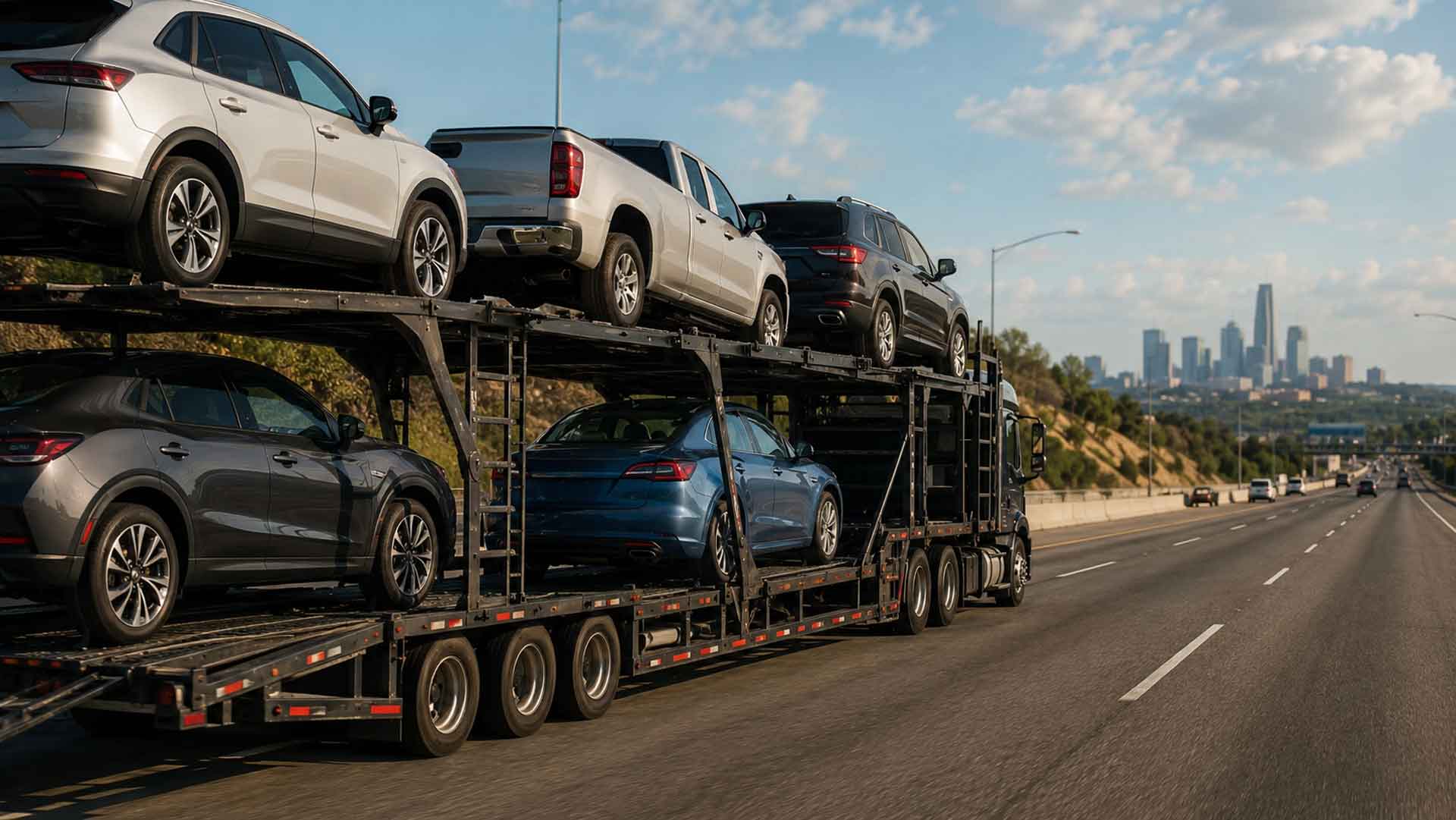
A car shipping quote is not a random number. Every dollar on that estimate traces back to a specific variable - the distance between pickup and delivery, the type of carrier, the time of year, and roughly nine other factors that most customers never think about until the price surprises them. Understanding what affects car shipping cost gives you something more valuable than a lower price: it gives you the ability to tell a fair quote from an inflated one.
The average cost to ship a vehicle within the continental United States ranges from $500 for short hauls under 500 miles to $1,500 or more for coast-to-coast routes. But those averages hide enormous variation. Two people shipping the same model car on the same day can receive quotes $400 apart - and both quotes can be legitimate. The difference comes down to the 12 factors below.
1. Distance and Route Demand - The Biggest Price Driver
Distance is the single largest factor in any car shipping quote, but the relationship is not linear. Per-mile rates actually decrease as total mileage increases, which means a 2,500-mile shipment does not cost five times more than a 500-mile one.
Per-Mile Rate Breakdown by Distance
Short hauls under 500 miles typically run between $1.00 and $1.50 per mile. The carrier still has to load, secure, and deliver your vehicle, so fixed costs push the per-mile rate up. Mid-range shipments of 500 to 1,500 miles average $0.70 to $0.90 per mile, which is where most interstate moves fall. Long-distance routes over 1,500 miles drop to $0.50 to $0.70 per mile because the carrier can fill the truck with multiple vehicles heading the same direction.
High-Demand Corridors vs Low-Traffic Routes
Not every mile costs the same. The I-95 corridor between New York and Florida runs constantly - carriers make that trip regardless of individual bookings, so prices stay competitive. The same is true for California to Texas and the Chicago to Florida lane. However, shipping from Boise to Burlington costs more per mile because fewer trucks run that route. A carrier may need to deadhead (drive empty) to reach your pickup point, and that wasted fuel gets built into your quote. If your origin or destination sits on a popular corridor with predictable delivery timelines, expect lower rates than an equivalent distance on an obscure route.
2. Vehicle Size and Weight - Why SUVs Cost More Than Sedans
Carriers price partly by the space your vehicle occupies on the trailer. A standard open carrier holds 7 to 10 vehicles, but that capacity assumes a mix of sedans and compact cars. Larger vehicles reduce the total number of cars the driver can haul, which means less revenue per trip unless the rate compensates.
Size Categories and Typical Surcharges
Sedans, coupes, and compact cars are the baseline. Mid-size SUVs and crossovers typically add $50 to $150 to the quote. Full-size trucks, large SUVs like the Suburban or Expedition, and vans add $150 to $300. Anything with dual rear wheels or that exceeds 21 feet in length may require a specialized spot or a flatbed, which pushes costs higher still.
Weight Matters for the Carrier's Bottom Line
Federal regulations cap a loaded car hauler at 80,000 pounds gross vehicle weight. A trailer full of heavy trucks hits that limit faster, forcing the carrier to leave deck positions empty. That lost capacity directly translates to a higher quote for the vehicles that made the truck heavier. Electric vehicles, which carry battery packs weighing 1,000 to 2,000 pounds, often fall into a higher pricing tier for this reason - something covered in detail in the context of EV car shipping and Cybertruck transport pricing.
3. Open vs Enclosed Transport - Protection Has a Price Tag
The choice between open and enclosed shipping is one of the most impactful cost decisions you will make. Open carriers expose your vehicle to road debris, weather, and dust, but they cost 30% to 40% less than enclosed alternatives.
When Open Transport Makes Sense
For daily drivers, late-model sedans, and vehicles with standard paint jobs, open transport delivers excellent value. Roughly 85% to 90% of all vehicles shipped in the US travel on open carriers. The risk of meaningful damage is low - carriers report damage rates under 1% - and the savings can amount to $300 to $600 on a cross-country move.
When Enclosed Transport Is Worth the Premium
Enclosed trailers make financial sense for vehicles where the cost of even minor cosmetic damage exceeds the shipping premium. Classic cars, exotics, low-clearance sports cars, and anything valued above $70,000 typically justify enclosed shipping. The detailed comparison of open vs enclosed car shipping and how to choose breaks down the decision criteria further.
4. Seasonal Pricing Patterns - Timing Can Save You Hundreds
Car shipping prices follow predictable seasonal cycles, and understanding them is one of the easiest ways to reduce your total cost without sacrificing service quality.
Peak Season: May Through September
Summer is peak moving season. More people relocate for jobs, military PCS orders hit their annual high, and families time moves around the school calendar. Carrier demand spikes, available slots fill faster, and prices climb 15% to 30% above winter baselines. If you have flexibility, booking in late April or early October puts you just outside the peak window.
The Snowbird Surge: October Through January
Routes from the Northeast and Midwest to Florida, Arizona, and Texas see a second demand spike as seasonal residents migrate south for winter. This pattern reverses in March and April when snowbirds head home. On these specific corridors, snowbird car shipping season pricing can push rates to near-summer levels even in months that are otherwise slow.
The Budget Window: January Through March
Early winter is the soft spot. Most relocations are on hold, demand dips, and carriers compete more aggressively for loads. If your move is flexible, this window offers the lowest rates of the year on most routes. According to the 2026 car shipping price forecast, January and February remain the most affordable months for domestic transport.
5. Pickup and Delivery Location - Urban vs Rural Matters
Where your car gets picked up and where it needs to go affects the quote significantly, independent of total distance.
Metro-to-Metro: The Cheapest Scenario
Carriers prefer major metro areas because they can pick up and deliver multiple vehicles in a concentrated radius. A shipment from Houston to Atlanta - two large metros connected by high-traffic interstates - costs less per mile than the same distance between two small towns. Terminal-to-terminal delivery in metro areas is even cheaper because the driver avoids residential navigation entirely.
Rural Pickup or Delivery Adds Cost
If your address is 30 miles off the nearest interstate on a two-lane county road, the carrier has to detour. That detour burns fuel, eats time, and may require the driver to navigate roads not ideal for a 75-foot car hauler. Rural surcharges of $75 to $200 per location are standard. Some carriers will offer a discounted rate if you can meet the truck at a nearby parking lot or truck stop on the main route.
6. Vehicle Condition and Operability - Non-Running Cars Cost More
A vehicle that starts, steers, and brakes under its own power is straightforward to load onto a carrier. One that does not is a different job entirely.
The Inoperable Vehicle Surcharge
Non-running vehicles require a winch, forklift, or additional labor to load and unload. This adds $100 to $300 to the shipping cost depending on the vehicle's weight and the severity of the mechanical issue. A car with a dead battery that can be jump-started is a minor inconvenience. A car with no wheels or a seized transmission requires specialized equipment. The guide on shipping a non-running car walks through preparation steps that can minimize extra charges.
Condition Documentation Affects Claims
Beyond pricing, your vehicle's pre-existing condition matters for insurance purposes. Carriers document scratches, dents, and mechanical issues on the Bill of Lading at pickup. If you skip the pre-transport inspection or fail to note existing damage, proving a carrier caused new damage becomes nearly impossible.
7. Fuel Prices and Carrier Operating Costs
Diesel prices directly affect what carriers charge because fuel is their largest operating expense after driver wages. A standard car hauler gets 4 to 6 miles per gallon. On a 2,500-mile route, that is 400 to 625 gallons of diesel per trip.
How Fuel Surcharges Work
Most carriers build fuel costs into their base rates but add a fuel surcharge when diesel exceeds a threshold - typically $3.50 per gallon. At $4.50 per gallon, that surcharge can add $100 to $200 to a long-distance quote. This is not a hidden fee; it is an industry-standard adjustment that reflects real operating costs. Monitoring diesel prices before you book can help you anticipate quote fluctuations. Watch out for hidden fees in car shipping quotes that are less transparent than legitimate fuel surcharges.
Other Operating Costs That Trickle Down
Insurance premiums, toll costs, driver wages, and equipment maintenance all factor into what a carrier needs to charge to stay profitable. The 2024-2026 period has seen rising insurance premiums across the trucking industry, which puts upward pressure on transport rates even when fuel prices stabilize.
8. Lead Time and Booking Window
Booking early does not always mean paying less, but booking late almost always means paying more. The optimal booking window for domestic car shipping is 7 to 14 days before your preferred pickup date.
Why Last-Minute Bookings Are Expensive
Carriers plan routes and loads in advance. A last-minute booking - anything under 3 days - forces the carrier to rearrange existing commitments or dispatch a truck that would otherwise deadhead past your location. That urgency commands a premium of 15% to 30% above standard rates.
Booking Too Far Ahead Has Diminishing Returns
Reserving a spot 30 or 60 days out might seem prudent, but carrier availability that far ahead is uncertain. Many brokers will take your deposit and then struggle to find a carrier at the quoted price when the date approaches. The sweet spot is two weeks out: close enough that carriers are actively building loads for your corridor, far enough that you are not paying a rush fee.
9. Carrier Availability on Your Route
Supply and demand on your specific route at your specific time determines whether you pay above or below the national average.
Backhaul Discounts
After a carrier delivers vehicles from New York to Florida, that truck needs to return north. If it goes back empty, the carrier earns nothing on the return leg. Shippers who need vehicles moved in the return direction - Florida to New York in this case - can sometimes negotiate 10% to 20% below standard rates because the carrier would rather haul at a discount than deadhead. Ask your broker or carrier whether your shipment qualifies as a backhaul.
Capacity Crunches
Certain events create sudden demand spikes that absorb carrier capacity. Military PCS season (summer), major auto auctions, hail damage events, and natural disasters all pull trucks off standard routes. During these periods, the remaining available carriers charge more because they can. Use the car shipping cost calculator to get a current rate estimate that reflects real-time market conditions.
10. Vehicle Modifications and Ground Clearance
Aftermarket modifications can turn a standard shipping job into a complicated one, and the quote reflects that complexity.
Lifted Trucks and Oversized Vehicles
A truck with a 6-inch lift kit may not fit on a standard car hauler's upper deck. The carrier either places it on the lower deck (losing a spot above) or requires a specialized trailer. Either way, the price goes up. Vehicles exceeding standard height, width, or length dimensions may need permits or route adjustments that add cost.
Lowered Cars and Ground Clearance Issues
Vehicles with reduced ground clearance - lowered sports cars, cars with front splitters or body kits - require careful loading to avoid scraping on trailer ramps. Some carriers refuse low-clearance vehicles on open trailers entirely, pushing owners toward enclosed shipping at a higher rate. If your car sits below 4 inches of ground clearance, mention it upfront when requesting quotes to avoid surprises at pickup.
11. Insurance and Liability Coverage
Every licensed carrier must carry cargo insurance, but the level of coverage varies, and higher coverage costs more.
Standard Carrier Insurance
Federal regulations require carriers to maintain a minimum of $750,000 in liability coverage and separate cargo insurance. Standard cargo coverage typically ranges from $100,000 to $250,000 per load - not per vehicle. For a truck carrying 8 cars worth $30,000 each, that $240,000 in total vehicle value bumps against the coverage ceiling. The auto transport insurance guide explains what is covered, what is excluded, and when you need supplemental protection.
Supplemental Insurance for High-Value Vehicles
If your vehicle is worth more than $75,000, consider purchasing gap coverage through a third-party insurer. Enclosed carriers often include higher coverage limits in their rates, which is one reason the enclosed premium extends beyond just the physical protection of the trailer walls.
12. Broker Markup vs Direct Carrier Pricing
Understanding the difference between a broker and a carrier clarifies why quotes for the same shipment can vary by $200 to $400 between companies.
How Broker Pricing Works
A broker does not own trucks. They match your shipment with a carrier and take a commission - typically $150 to $300 per vehicle. That commission is built into your total quote. The advantage is convenience: brokers have relationships with hundreds of carriers and can often find capacity faster than you could on your own. The tradeoff is cost. For a detailed comparison, see brokers vs carriers in car shipping.
Direct Carrier Quotes
Booking directly with a carrier eliminates the middleman markup, but limits your options to that carrier's routes and schedule. Direct booking works well on high-volume corridors where multiple carriers compete. On less popular routes, a broker's network may actually find you a better rate than any single carrier could offer because they aggregate demand.
Practical Ways to Reduce Your Car Shipping Cost
Knowing the factors is useful. Acting on them is what actually saves money.
Adjust Your Timeline
Moving your pickup date by even one week can shift you out of a demand spike. If your relocation allows it, target the January-March window or the brief lull between summer peak and snowbird season in late September and early October.
Be Flexible on Pickup Location
If you live in a rural area, offering to meet the carrier at a truck stop or commercial lot on the nearest interstate can eliminate the rural surcharge entirely. A 20-minute drive on your end can save $100 to $200 on the quote.
Compare Multiple Quotes - But Compare Apples to Apples
Get at least three quotes, but make sure each one covers the same service level, insurance, and timeline. The cheapest quote often excludes things the mid-range quote includes. For a full breakdown of what shapes those numbers, review the complete guide to car shipping costs.
Consider Terminal-to-Terminal
Door-to-door service is convenient but costs more. If terminal-based vehicle shipping services are available near your origin and destination, using them instead of door-to-door can trim $100 to $200 from the total.
Frequently Asked Questions
What is the most expensive factor in car shipping?
Distance is the single most expensive factor. A coast-to-coast shipment of 2,500+ miles typically costs $1,200 to $1,800, while a 300-mile regional move runs $400 to $600. Route demand is the second biggest factor - shipping along low-traffic corridors costs more per mile than popular lanes.
Does the type of car I drive affect shipping cost?
Yes. Larger, heavier vehicles like full-size trucks, SUVs, and electric vehicles with heavy battery packs cost $100 to $300 more than standard sedans because they take up more trailer space and add weight that limits how many vehicles a carrier can haul per trip.
Is it cheaper to ship a car in winter?
Generally, yes. January through March offers the lowest rates on most domestic routes because demand drops after the holiday season. The exception is southbound snowbird routes to Florida and Arizona, which peak from October through January.
How far in advance should I book car shipping?
The optimal window is 7 to 14 days before your preferred pickup date. Booking with less than 3 days notice typically adds a 15% to 30% rush premium, while booking more than 30 days out offers little price advantage and can create scheduling complications.
Why are car shipping quotes so different from company to company?
Quote variation comes from three main sources: broker vs carrier pricing structures, different insurance coverage levels, and whether the quote includes all fees upfront or adds surcharges later. Always confirm whether a quote is binding or non-binding and what services are included before comparing totals.
Can I reduce my car shipping cost by removing personal items?
Removing personal items does not directly reduce the shipping rate, but it avoids potential surcharges. Most carriers limit personal items to 100 pounds, and exceeding that limit can add fees or cause the carrier to refuse the load. More importantly, personal items are not covered by carrier insurance.